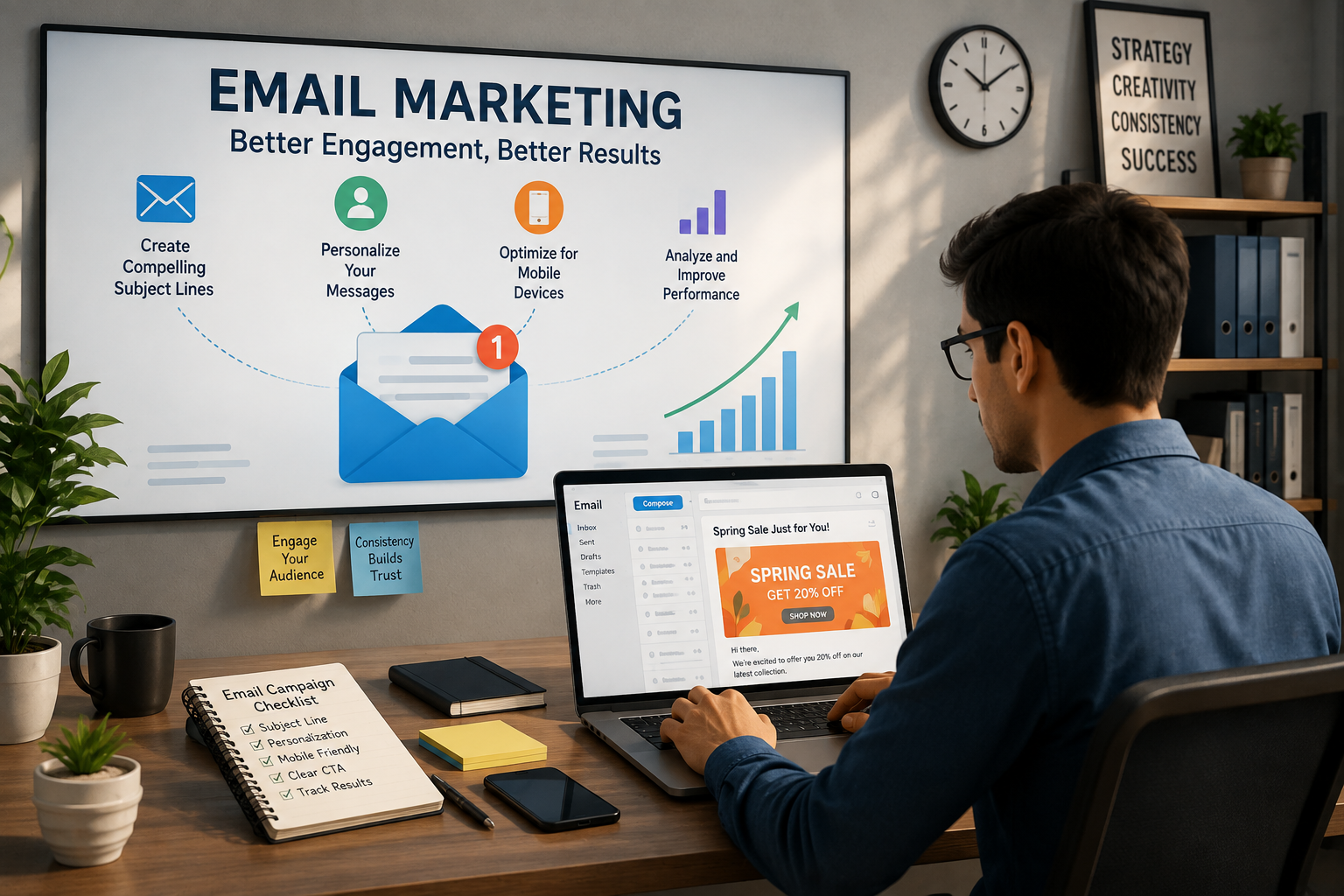
Inboxes today are more crowded than ever. Every single day, consumers are bombarded with promotional blasts, sales announcements, and automated newsletters. As a result, subscriber fatigue is high, and audience attention spans are shorter than ever. Simply hitting “send” on a generic newsletter will no longer yield high open rates or meaningful click-throughs.
Improving email engagement does not require complex coding, enterprise-level marketing budgets, or revolutionary strategies. Instead, it comes down to getting the fundamentals right: delivering relevance, respecting reader time, and crafting clear, human-focused communication. Here are actionable, simple strategies to revitalize your email marketing engagement and build lasting subscriber relationships.
Strategy 01 Optimize Subject Lines for Clarity Over Clickbait
Your subject line acts as the front door to your email. If it fails to intrigue or inform the recipient within a split second, the rest of your carefully written copy will go completely unread.
While sensationalized clickbait subject lines might produce a short-term spike in open rates, they break audience trust quickly when the content inside fails to deliver on the hype. Instead, aim for a balanced mix of curiosity, immediate benefit, and genuine clarity.
Keep It Concise
Over 60% of emails are opened on mobile devices where subject lines get cut off after 40–50 characters. Front-load your most important words.
Utilize Preheader Text
Treat the preheader preview snippet as a secondary subject line. Use it to expand on your main point rather than repeating your subject line words.
Strategy 02 Segment Your Audience for High Relevance
The quickest way to drive up unsubscribe rates and drop engagement is sending identical broadcast messages to your entire email database. Every subscriber on your list joined at a different time, has unique interests, and sits at a different stage of their customer journey.
Basic list segmentation allows you to group subscribers based on shared traits, ensuring people receive content tailored specifically to their needs.
Behavioral Activity: Group subscribers based on past purchases, website visits, or links clicked in previous email campaigns.
Engagement Levels: Separate active readers who open weekly from inactive contacts who haven’t opened an email in 90 days to run win-back sequences.
Signup Source: Tailor your messaging based on how they joined—whether through a specific blog post lead magnet or a checkout discount.
Strategy 03 Humanize Your Sender Information & Writing Style
People do not build emotional connections with impersonal corporations or automated web bots; they connect with real human beings. If your emails come from an anonymous “[email protected]” address, you are instantly erecting a barrier between yourself and your reader.
- Use a Personal Sender Name: Change your sender name from just “Acme Inc.” to “Sarah at Acme Inc.” or “Sarah Jenkins.” This simple adjustment makes your message feel like a personal email rather than a corporate advertisement.
- Write Like You Speak: Ditch dry, jargon-heavy corporate speak. Write in a conversational, friendly tone using first-person pronouns (“I” and “you”) as if you were emailing a single colleague or friend.
- Encourage Direct Replies: Ask open-ended questions at the end of your emails and invite readers to hit reply. Replying not only boosts reader connection but also signals to email providers (like Gmail) that your emails are safe, improving inbox deliverability.
“Engagement is not measured merely by how many people open your email, but by how many readers feel compelled to take action, share your content, or reply directly after reading.”
Strategy 04 Format Copy for Fast Mobile Skimming
When subscribers open an email, they rarely read every single sentence from top to bottom. Instead, their eyes scan the page rapidly to evaluate whether the message contains immediate value. If they encounter dense walls of text, they will quickly hit the back button.
To keep engagement high, design your email layouts for effortless reading across all screen sizes.
Short Paragraphs
Limit your paragraphs to 2–3 sentences maximum. Generous white space gives your content room to breathe and reduces visual cognitive load.
Visual Hierarchy
Use bold subheadings, bullet points, and high-contrast call-to-action (CTA) buttons so skimmers can catch core takeaways instantly.
Strategy 05 Focus on One Single Call to Action (CTA)
Offering too many options often results in readers taking no action at all—a psychological phenomenon known as “analysis paralysis.” When an email asks a reader to read a blog post, check out a sale, follow social media channels, and fill out a survey all at once, click-through rates plummet.
Every email you send should have one clear, primary goal. Whether you want the reader to download a resource, register for a webinar, or purchase a product, guide them toward a single high-impact Call to Action button or link.
- Use Action-Oriented Words: Instead of generic button text like “Click Here” or “Submit,” use descriptive, benefit-driven language like “Download Your Free Guide” or “Claim Your 20% Discount.”
- Make Buttons Easy to Tap: Ensure link buttons are large enough to be comfortably tapped with a thumb on mobile screens without misclicking nearby elements.
Strategy 06 Test Send Times & Clean Inactive Subscribers
Timing plays a key role in email performance. Sending a message when your audience is actively checking their inbox increases the likelihood of an immediate open before your message gets buried under newer emails.
Additionally, maintaining a clean subscriber list is vital for long-term sender reputation and high engagement rates.
A/B Test Send Schedules: Experiment with different days of the week and times of day to identify when your specific audience segment is most responsive.
Prune Inactive Contacts: Regularly remove or suppress subscribers who haven’t opened an email in 6 months. Unresponsive contacts drag down your overall engagement metrics and harm deliverability.
Conclusion Consistent Value Drives Long-Term Success
Boosting email marketing engagement is not about discovering a secret growth hack; it is about building a sustainable habit of delivering genuine value every time you enter a subscriber’s inbox.
By focusing on clear subject lines, personalized segmentation, conversational writing, scannable formatting, and focused call-to-actions, you respect your readers’ time and build long-term trust. Start by implementing just one or two of these simple improvements today, analyze your campaign performance metrics, and build a highly engaged email community step by step.